Compare Local Contractors for Log Home Staining Projects
Compare local contractors for log home staining by verifying experience, defining scope, and setting clear expectations to ensure a successful project.
Log home staining services typically involve applying protective and decorative finishes to the exterior wood surfaces of a log residence. This work can include cleaning the logs to remove dirt, mold, or old stain, followed by sanding or preparation to ensure proper adhesion. The staining process may involve applying sealants, stains, or finishes that enhance the natural appearance of the logs while providing protection against weathering, UV rays, and moisture. Properly executed staining helps preserve the integrity of the logs, prevents decay, and maintains the aesthetic appeal of the home over time.
Defining the scope of log home staining projects is essential for setting clear expectations and ensuring the work meets specific needs. A detailed scope might specify the types of finishes to be used, areas to be covered, surface preparation methods, and any additional treatments such as caulking or sealing. Clarifying these details in writing helps property owners and contractors align on the work involved, reduces misunderstandings, and creates a basis for evaluating the quality and completeness of the service. Well-defined scope also facilitates more accurate comparisons between different contractors’ approaches and expertise.
When comparing local contractors for log home staining, property owners should consider experience with similar projects, the methods and materials they plan to use, and their reputation within the community. It’s helpful to verify how each contractor approaches project scope, preparation, and application techniques. Reviewing references or seeking insights from previous clients can provide additional context about their reliability and quality of work. Using a structured comparison process ensures that property owners can select service providers who understand the unique requirements of log home staining and are capable of delivering results that meet their expectations.
Compare local contractors by outlining project priorities, verifying experience, and clearly defining scope and expectations in writing.
- Verify Experience - Ensure contractors have relevant experience with log home staining projects.
- Define Scope Clearly - Specify the work details and expectations in written agreements.
- Compare Local Contractors - Review qualifications and service offerings to find suitable options.
- Set Expectations in Writing - Document project scope, materials, and standards to avoid misunderstandings.

Before comparing contractors, clearly describe your log home staining project to ensure accurate scope and expectations.
- Verify experience with log home staining projects similar in scope and style. - Ensure contractors have a clear understanding of stain types and application techniques suitable for log homes.
- Define the scope of work in writing, including surface preparation, stain application, and finish expectations. - Clear documentation helps prevent misunderstandings and sets realistic project parameters.
- Check references or reviews to assess the quality of previous log staining work completed by the contractor. - Feedback from past clients can provide insights into the contractor’s reliability and craftsmanship.
- Discuss surface preparation requirements, such as cleaning, sanding, or caulking, to ensure proper stain adhesion. - Proper prep work is critical for long-lasting results and overall project success.
- Confirm the types of stains and finishes the contractor recommends and ensure they align with the homeowner’s preferences. - Understanding product choices helps set expectations for appearance and durability.
- Request a detailed written estimate outlining the scope, materials, and responsibilities to compare with other local service providers. - A comprehensive estimate facilitates informed decision-making and clear project expectations.
Compare local contractors’ experience, clarify scope, and set clear expectations to ensure a successful log home staining project.

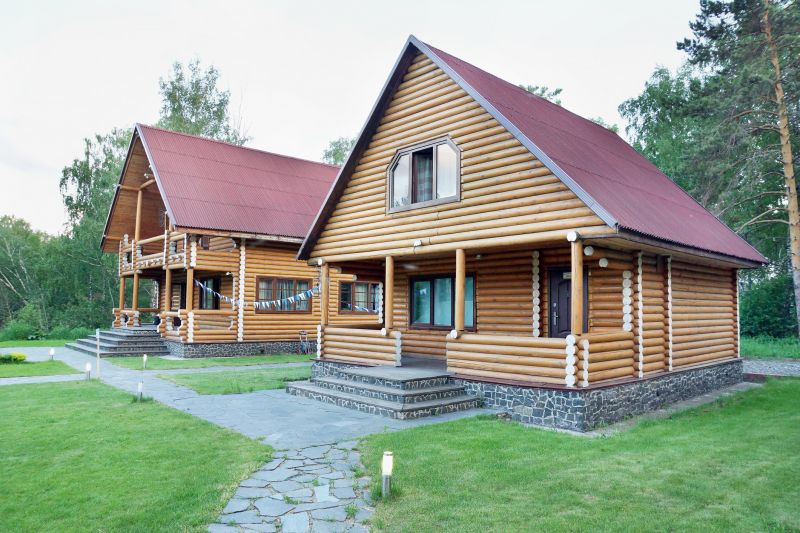
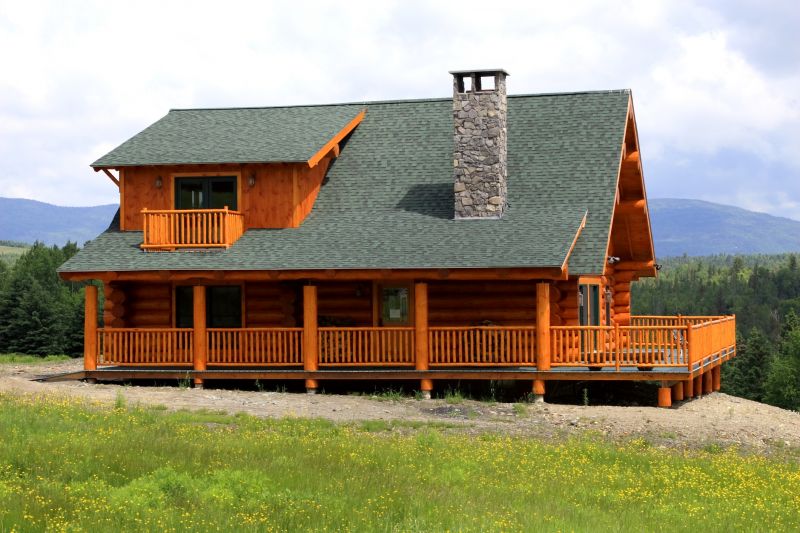

When comparing contractors for log home staining, ensure consistent scope definitions and clear expectations without focusing on prices.
- Scope Definition - Clearly outline the specific areas and surfaces of the log home to be stained.
- Surface Preparation - Identify the necessary cleaning, sanding, or repairs required before staining begins.
- Stain Selection - Specify the type, color, and finish of stain to be applied to achieve the desired appearance.
- Application Process - Detail the methods and techniques local contractors will use to apply the stain evenly and effectively.
- Protection and Cleanup - Define how surrounding areas will be protected and the cleanup procedures after staining is completed.
When comparing contractors for log home staining, it’s important to consider their experience with similar projects. Homeowners should seek service providers who have a proven track record of working on log homes or comparable wood structures. This experience often translates into a better understanding of the unique challenges associated with staining logs, such as proper preparation, wood type considerations, and application techniques. Asking for details about past projects or references related to log home staining can help gauge whether a contractor has relevant hands-on experience that aligns with the specific needs of the home.
A clear, written scope of work is essential for ensuring expectations are aligned before the project begins. Homeowners should look for contractors who provide detailed descriptions of the work to be performed, including surface preparation, stain types, application methods, and areas covered. A well-defined scope helps prevent misunderstandings and provides a basis for evaluating whether the contractor’s approach matches the homeowner’s goals. It also creates a foundation for documenting the project’s parameters, which can be useful if questions or issues arise during or after completion.
Verification of a contractor’s experience can be accomplished through various basics, such as reviewing portfolios of completed work, checking references, or seeking proof of ongoing projects. Homeowners should inquire about how long the contractor has been performing log home staining and whether they have specialized knowledge or training related to log structures. Verifying these details ensures that the chosen service providers have the appropriate background and skills to handle the specific requirements of log home staining, reducing the risk of subpar results or the need for costly corrections later.
When evaluating options among local contractors, it’s helpful to focus on their communication and professionalism. Homeowners should compare how clearly each contractor explains their process, provides written proposals, and responds to questions. A contractor who can articulate their approach and provide comprehensive documentation demonstrates a level of professionalism that can lead to a smoother project experience. Carefully reviewing the scope of work, verifying relevant experience, and assessing communication practices can help homeowners make informed choices without relying on price alone, ensuring the selected service provider is well-equipped to handle the specific demands of log home staining.
Ask contractors for written scope details to ensure clear expectations and consistent project understanding.
- Experience and Credentials - What specific experience do contractors have with log home staining projects?
- Scope of Services - How do contractors define and clarify the scope of work included in their staining services?
- Materials and Products - What types of stains and finishes do service providers typically recommend for log homes?
- Preparation and Process - How do contractors prepare a log home prior to staining, and what steps are included?
- Written Estimates and Agreements - Do contractors provide detailed, written descriptions of the work scope and expectations?
How can I compare contractors for log home staining? To compare contractors, review their experience, ask for references, and verify their work quality. It's helpful to clarify the scope of work and ensure all details are documented in writing.
What should I consider when defining the scope of a staining project? Clearly specify the areas to be stained, the type of stain or finish desired, and any surface preparation requirements. Detailed scope helps prevent misunderstandings and sets clear expectations.
How can I verify a contractor's experience with log home staining? Request information about previous projects similar to yours, ask for references, and review any available work samples. Confirm that the contractor has handled projects of comparable size and complexity.
Why is it important to have the project scope in writing? Having the scope documented ensures both parties agree on the work to be done, helps prevent disputes, and provides a clear reference throughout the project.
What questions should I ask a contractor before hiring for log home staining? Inquire about their experience, methods, surface preparation practices, and how they handle surface imperfections. Clarify the materials they plan to use and ensure all expectations are discussed upfront.
How can I ensure the contractor understands my expectations? Communicate your specific preferences clearly, ask for a written scope of work, and confirm that they understand all details before work begins. Clear communication helps align expectations and results.
This page has highlighted key steps for finding the right contractors to handle log home staining projects. Visitors learned how to clearly define the scope of work, verify the experience of service providers, and ensure all details are documented in writing to set clear expectations. Comparing local contractors through these practices can help in making informed decisions aligned with specific needs.
To explore options and connect with experienced service providers in the area, using the quote form is an effective next step. It allows for easy comparison of local contractors, helping to identify those best suited for the project. Taking this step can assist in finding qualified professionals who understand the requirements of log home staining.